The Barrett CLan
Welcome to the official website of Clan Barrett, a proud and storied Irish clan hailing from County Cork. Our heritage is deeply rooted in the annals of Irish history, tracing its origins to the Duchy of Normandy. The motto that guides us, “Frangas non Flectes: virtus probitas” (Break not Bend: The Virtue of Honesty), reflects our commitment to integrity and courage.
Our efforts
In October 2023, a significant chapter in the history of the Barrett Clan commenced as restoration efforts were initiated under the dedicated oversight of Louis Barratt, Baron of Irrus, as Patron of the clan. This ambitious undertaking reflects the clan’s commitment to reclaim its esteemed position among Ireland’s great clans.
The restoration project aims to revive the cultural, historical, and familial legacy of the Barrett Clan, drawing from the deep well of traditions that have defined the clan throughout the centuries. Louis Barratt, as the Baron of Irrus, brings not only a wealth of historical knowledge but also a profound dedication to ensuring the clan’s resurgence.
One of the primary objectives of this restoration initiative is to identify and locate the hereditary chief of the Barrett Clan. This quest is undertaken with utmost respect for the clan’s heritage and a commitment to preserving its unique identity. The restoration efforts seek to reunite the Barrett Clan under the leadership of its rightful hereditary chief, thereby solidifying its place as a distinguished and influential entity in Irish history.
As the Baron of Irrus guides these restoration endeavors, the Barrett Clan looks forward to a renewed era of cultural vibrancy, historical significance, and strengthened familial bonds. The journey to rebuild the clan’s status as one of Ireland’s great clans is an inspiring testament to resilience, heritage, and the enduring spirit of the Barrett Clan.
origins and history
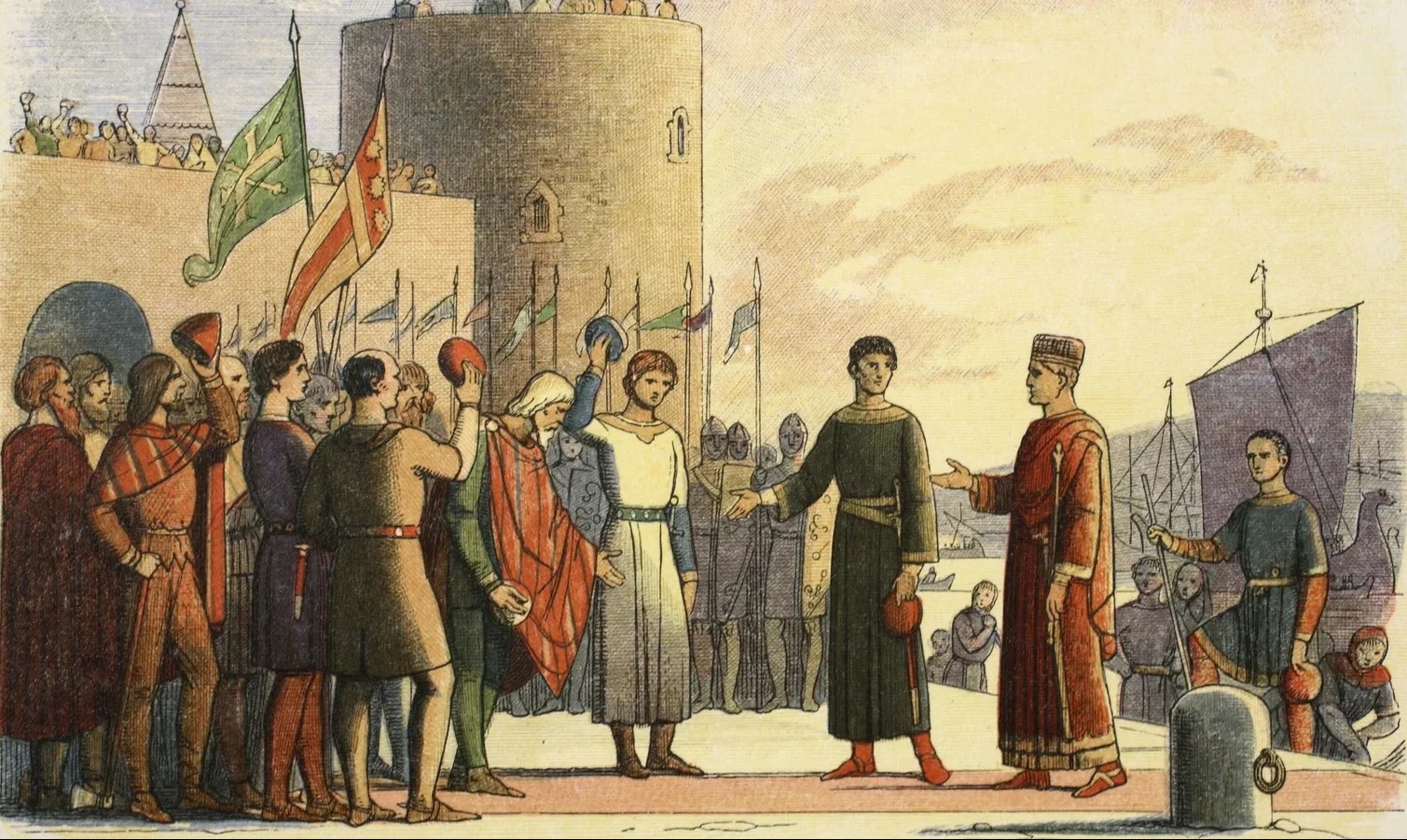
The Barrett clan’s journey began in the 12th century when Normans, led by Strongbow, ventured to Ireland. The clan’s dual branches in Munster, centered around County Cork, and Connacht, primarily in the Mayo-Galway mountainous areas, exemplify the diverse legacy of the Barretts. The Cork branch, numerically strong, contrasts with the Mayo-Galway branch, which held greater prominence in the Middle Ages.
Over the centuries, the Barrett family earned influence and power through dedicated service to kings and nobles. From the 14th century, when they served as underlords to the de Cogan family, to the First War of Scottish Independence, where John Barrett fought for the Crown, our clan has left an indelible mark on history.
Surname Origins
The surname Barrett has diverse origins, with one interpretation linking it to the French names Berault or Beraud, meaning ‘bear power.’ Another suggestion connects it to Barneveld, signifying ‘bear-headed.’ The two Barrett clans in Ireland, originating from Munster and Connacht, were initially believed to be unrelated, but recent research has dispelled this notion.
Clan achievements
From the Norman Invasion of Ireland in 1169 to the Battle of Bosworth Field in 1485, where Barretts fought for King Henry VII, our clan’s history is one of service, courage, and adaptability. The assimilation into Irish culture was profound, with both Munster and Connacht Barretts marrying into old Irish families, becoming “more Irish than the Irish themselves.”
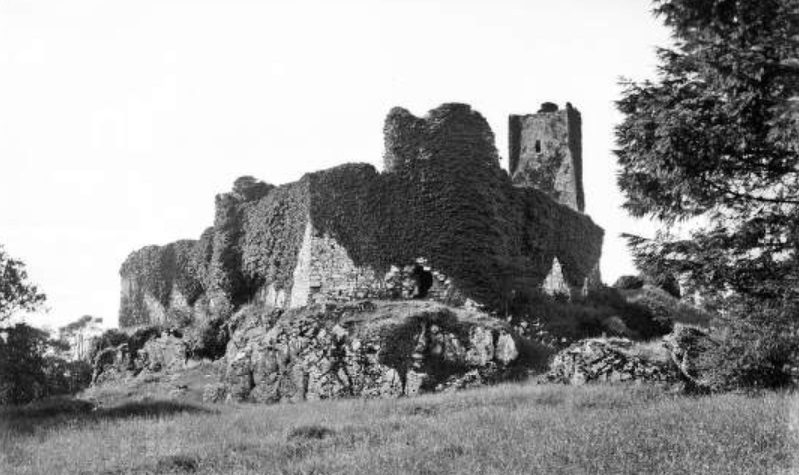
The acquisition of Castlemore and Ballincollig Castle marked high points, but internal strife led to the loss of Ballincollig Castle by 1600. Post the Battle of the Boyne in 1690, Castle Barrett was destroyed, and Barrett lands were forfeited. The Barrett diaspora reached the United States, where James Barrett arrived in Charlestown, Massachusetts, around 1643.
Coat of arms and motto
The Barrett coat of arms, featuring ten horizontal stripes in red and white, symbolizes the clan’s heraldic identity. The crest, a demi-lion rampant sable ducally crowned, signifies strength and nobility. The clan motto, “Frangas non Flectes: virtus probitas,” encapsulates the enduring values of the Barretts—unbowed, unbroken, guided by honor and courage.
 Clan Barrett