Barretts through time
The Barrett clan began with the descendants of William Barrett, who joined Strongbow in the Norman conquest of Ireland, but those of the Barrett name have a much deeper history both before and after this event. Clan Barrett was founded by the descendants of those soldiers who joined Strongbow in his invasion of Ireland in 1170. With two branches, the clan was settled in both County Cork and in County Mayo.
Norman Conquest
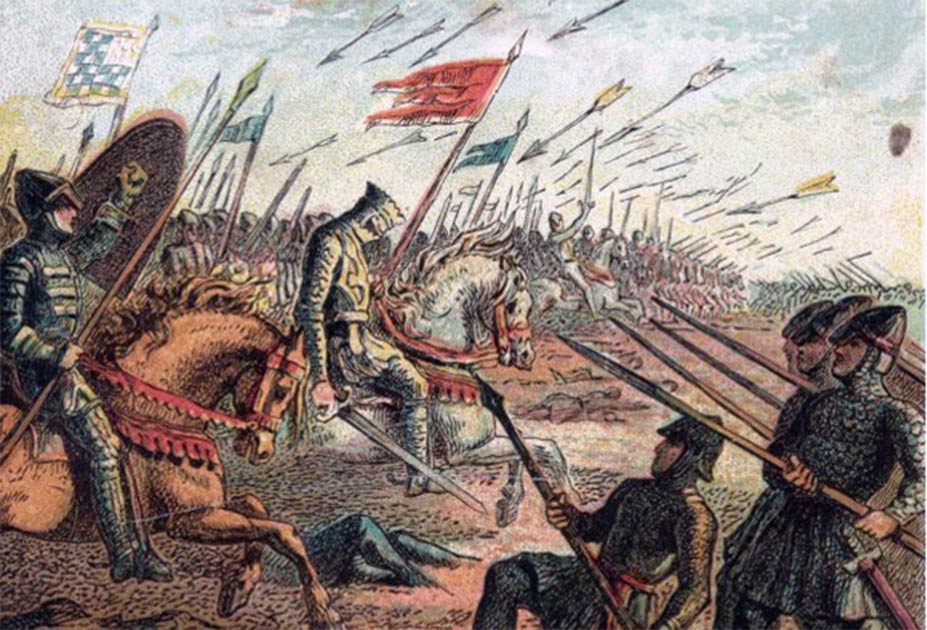
The Barretts first made their mark on history as part of William the Conqueror’s army in 1066, led by John Baret. The family played a crucial role in maintaining loyalty to the Norman king on the south coast of England as well as the Welsh Marches and in Yorkshire during the harrying of the North.
Norman Invasion of Ireland
The Barretts’ Welsh branch would later join Strongbow, Earl of Pembroke, in his invasion of Ireland, eventually splitting into two distinct branches.
One branch settled in County Cork, establishing the Barony of Barretts and making Castlemore, or Castle Barrett, their seat of power. Despite their prominence, this branch would remain relatively isolated from the English influence in southern port cities, leading to the Gaelicization of their surname to various forms such as Bairead and MacWattin.
The other branch ventured further into County Mayo, gaining prominence in the 1500s and overtaking their Cork counterparts. This branch became heavily Gaelicized, assimilating into Irish culture and marrying into old Irish families. They were known by the Gaelic name Mac Baitín, or Mac Wattin, which evolved into Mac Páidín, or Mac Padine, giving rise to the Padden surname in Mayo.
Rise to prominence
By the 14th century, John Barrett’s contributions during the First War of Scottish Independence earned him a pardon for Crown debts by King Edward II. His descendant, Batin (or Wattin) Barrett, was the great-great-grandfather of Robert Mac Wattin.
The Barretts continued to establish their legacy through military prowess and strategic alliances. In 1468, they purchased estate lands at Ballincollig and extended Ballincollig Castle. They also played a significant role in the Battle of Bosworth Field in 1485, fighting for King Henry VII. However, by 1600, the Barretts lost Ballincollig Castle due to infighting, and Castlemore (Castle Barrett) was acquired by the family. This castle was later damaged by Oliver Cromwell’s army in 1645 and ultimately destroyed after the Battle of the Boyne in 1690. Throughout their history, the Irish Barretts had been noted for their assimilation into their host cultures, in Ireland earning them the moniker “Welshmen of Tirawley.”

Irish Rebellion & Cromwellian Wars
The Barretts would find themselves on the wrong side of both of these wars. In backing the crown against the Irish rebellion, they came under the ire of O’Neill, it is said that Hugh O’Neill, Earl of Tyrone when marching to Kinsale asked who lived in the castle [Castle Barrett], and upon being told that the owner was a Barret, described as a ‘good Catholic’ whose ancient English family had owned the estate in Barretts Country for just over 400 years, the Earl swore in Irish: “No matter, I hate the English churl, as if he came but yesterday.”
The castle was damaged in 1645 by Oliver Cromwell‘s army.[12] After the Battle of the Boyne in 1690, where Colonel John Barrett fighting on the side of the Jacobites lost to the Williamites,[1] Castle Barrett was destroyed and 12,000 acres of Barrett land was forfeited.
Exodus to the New World
In the aftermath of this catastrophic defeat to the armies of Cromwell, many Barretts chose to leave Ireland for the American colonies or the British possessions in the Caribbean, most notably Jamaica.
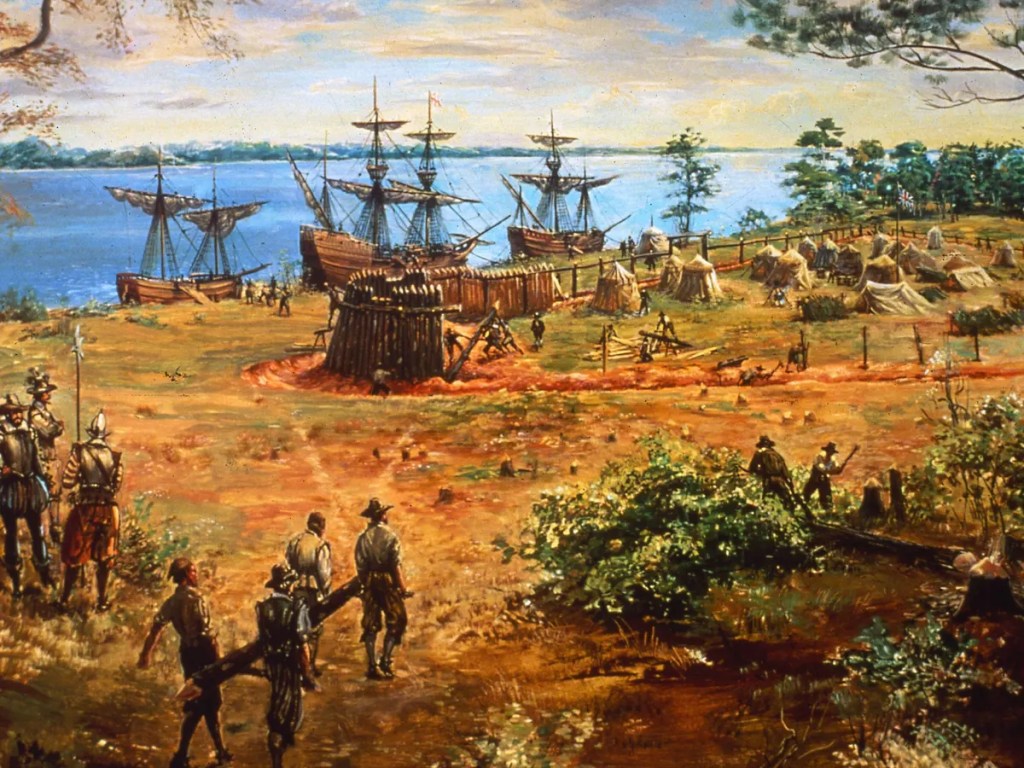
The devastation wrought by Cromwell’s army led to a mass exodus of Barretts from Ireland, with many seeking refuge and new beginnings in the United States. Among them was James Barrett, the first of the name in the United States, who landed in Charlestown, Massachusetts, around 1643. His descendants actively participated in key historical events, including King Philip’s War and the Lexington Alarm in 1775. Many would also migrate to the British possessions in the Caribbean.
Barrett-Lennards
It would be amiss to not make a notable mention of the most successful family of the Barrett name in England, the branch of the Barretts, later coming to be known as the Barrett-Lennards, achieved high prominence, with members holding peerage titles such as Baron Newburgh and the Newburgh and Belhus Baronetcies. Though it is not clear whether they are descended from Irish Barretts returning to England, or the Barretts who settled in England and Wales initially, as many of these would come to adopt the Barratt spelling of the name.
 Clan Barrett